Designing a Home for Everyday Living (Without Compromising on Luxury)
When people think of a luxurious home, they often picture perfectly styled spaces that feel almost too pristine to touch. But real luxury – the kind that truly enhances your life – is something very different.
Rethinking What “Luxury” Really Means
When people think of a luxurious home, they often picture perfectly styled spaces that feel almost too pristine to touch. But real luxury – the kind that truly enhances your life – is something very different.
It’s a home that feels calm when you walk through the door.
A space that functions effortlessly around your daily routines.
Rooms that look beautiful, but are also made to be lived in.
Designing a home for everyday living doesn’t mean sacrificing style. In fact, when done well, it elevates it.
Because the most luxurious homes aren’t just designed to impress – they’re designed to support the way you live, every single day.
1. Luxury Begins with Function, Not Finishes
One of the biggest misconceptions in interior design is that luxury comes from expensive materials or statement pieces alone.
In reality, luxury starts with how a space works.
A well-designed layout, thoughtful storage, and intentional flow create a sense of ease that no decorative item can replicate. When your home supports your routine – whether it’s busy mornings, relaxed evenings, or entertaining – it naturally feels more refined.
Before focusing on colours, furniture, or styling, it’s essential to consider:
How each space is used daily
Where movement feels restricted or awkward
What isn’t functioning as it should
When these elements are resolved, everything else falls into place more seamlessly – and the result feels effortlessly elevated.
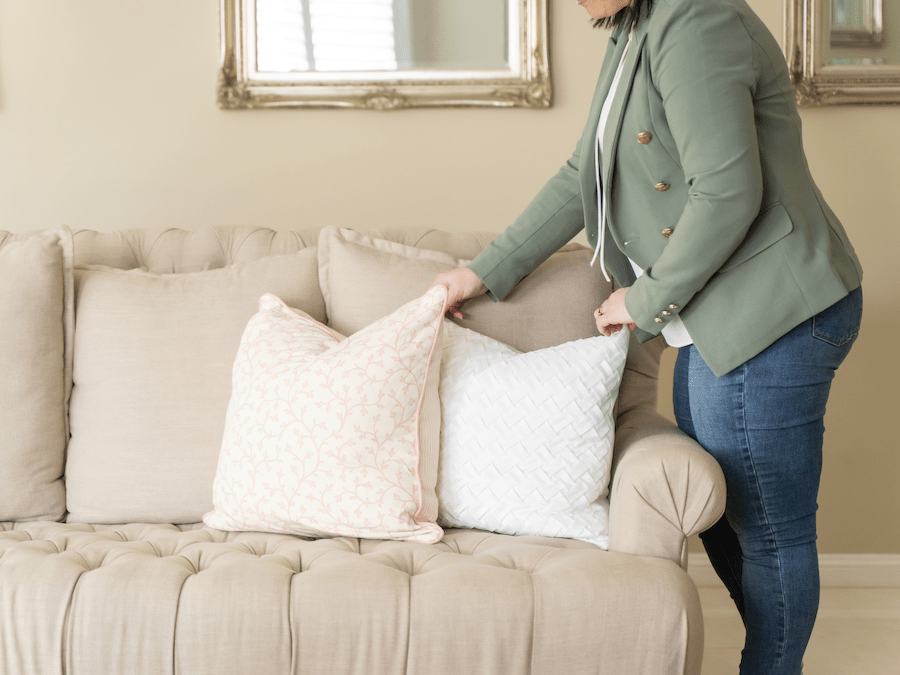
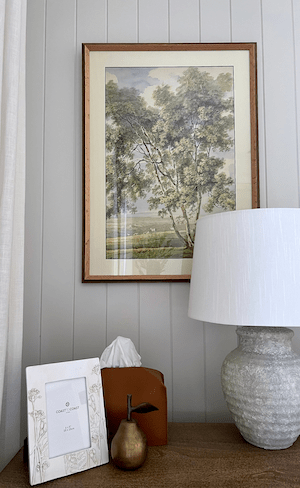
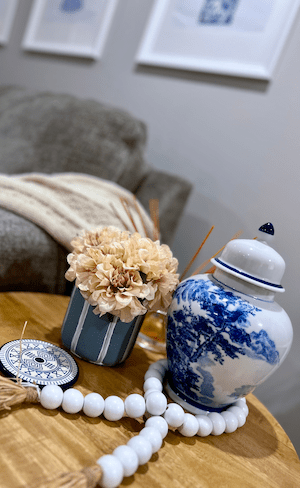
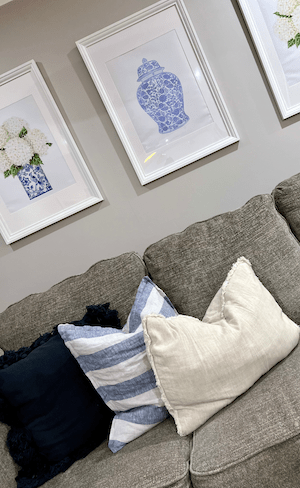
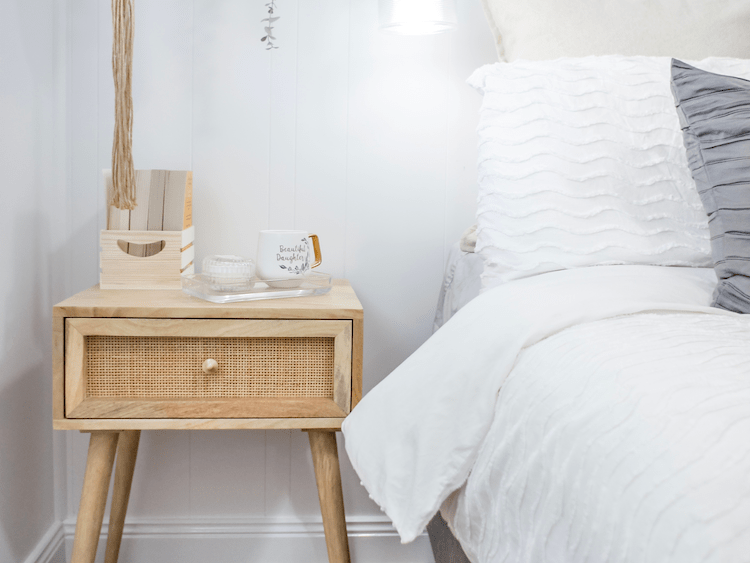
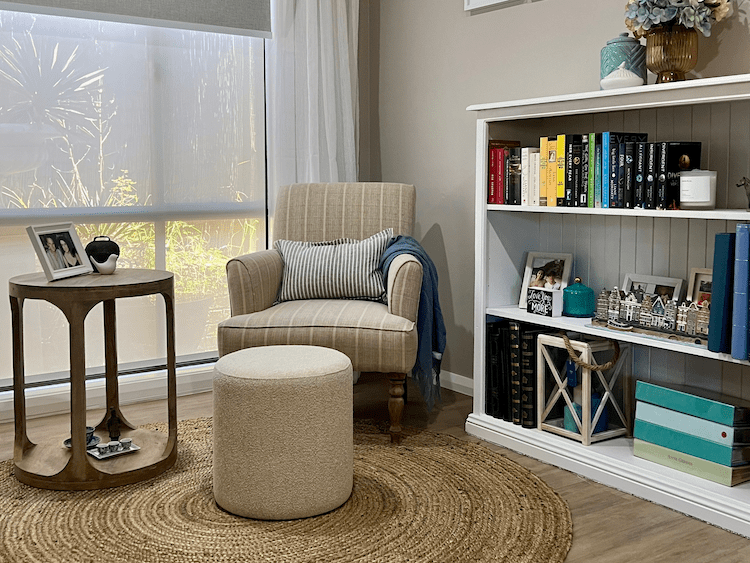
* Image 1 Carlton Project, Images 2 & 3 are from Narellan Vale Project.
2. Designing for Real Life (Without Losing the Aesthetic)
A home that’s used every day will never look like a showroom – and it shouldn’t.
The key is designing with intention, so your space maintains its beauty even as it evolves with daily life.
This might look like:
Choosing durable fabrics that still feel soft and inviting
Incorporating furniture that balances comfort with clean lines
Creating zones that allow for both activity and relaxation
It’s about making decisions that acknowledge real life – without compromising on how the space feels visually.
Because when design is done well, it doesn’t require constant upkeep to look good. It works quietly in the background, supporting you.
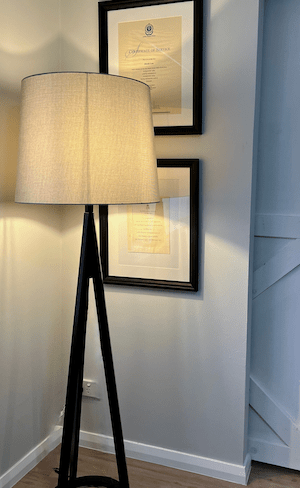
* Images from past projects.
3. The Power of Layering: Where Comfort Meets Elegance
Luxury interiors often feel rich and considered – not because of how much is in the space, but because of how it’s layered.
Layering is what transforms a room from flat to inviting.
This includes:
Soft textiles like rugs, cushions, and throws
A mix of materials (timber, stone, linen, metal)
Thoughtful lighting at different levels
These elements create depth, warmth, and a sense of calm.
Importantly, they also make a home feel more liveable. A layered space invites you to sit, relax, and enjoy it – rather than simply admire it from a distance.
4. Storage: The Quiet Foundation of a Beautiful Home
Behind every calm, elevated space is one often-overlooked element: good storage.
Clutter is one of the quickest ways to disrupt both function and visual harmony. But effective storage doesn’t have to feel clinical or hidden away – it can be seamlessly integrated into the design.
Consider:
Built-in cabinetry that blends with your interiors
Multi-functional furniture
Designated spaces for everyday items
When everything has a place, your home feels lighter, more organised, and ultimately more luxurious – without needing constant effort to maintain it.
5. Seasonal Living: Keeping Your Home Feeling Fresh
A truly well-designed home evolves with the seasons.
This doesn’t mean completely redecorating – it’s about subtle shifts that keep your space feeling aligned and refreshed throughout the year.
Simple changes like:
Swapping heavier textiles for lighter ones
Introducing seasonal colours or natural elements
Adjusting lighting to suit shorter days
These small updates create variation and interest, while still maintaining a cohesive base design.
Planning ahead for key moments – like Christmas – also allows your home to feel intentional rather than rushed, blending seamlessly with your existing style.
6. Creating a Home That Feels Effortless
At its core, luxury is about ease.
It’s walking into a space that feels calm without trying.
It’s knowing everything works the way it should.
It’s being able to live your life fully in your home – without constantly adjusting or fixing things.
When design supports you in this way, your home becomes more than just a place to live. It becomes a space that restores, reflects, and elevates your everyday experience.
A New Definition of Luxury
Designing a home for everyday living isn’t about lowering your standards – it’s about refining them.
It’s choosing quality over excess.
Function alongside beauty.
And spaces that feel as good as they look.
Because the most luxurious home you can create… is one that truly works for you.
If your home isn’t quite feeling the way you want it to – whether it’s the layout, the flow, or simply how everything comes together – it may not need more styling. It may just need a more thoughtful approach to design.
If you’re ready to create a home that feels both elevated and effortless to live in, you can learn more about working together here: